



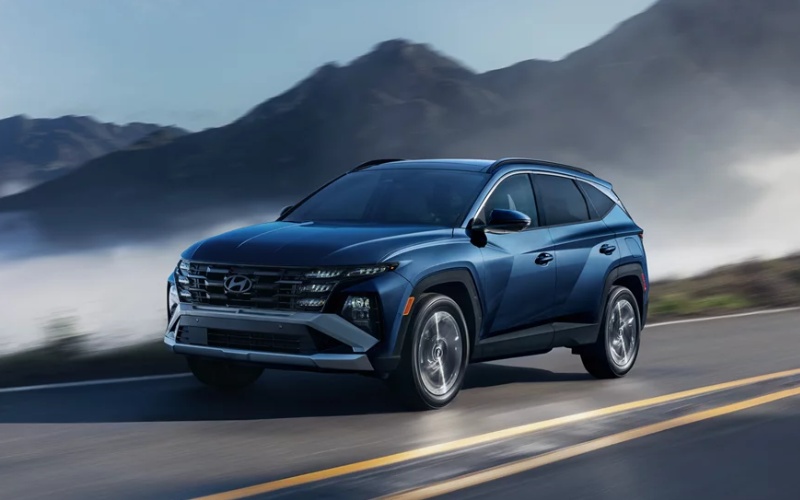
Hyundai of Grand Island – Which AWD system is smarter for winter near Central City, NE — HTRAC on the 2026 Hyundai Tucson or the 2026 Toyota RAV4?
When winter looms and roads can switch from dry to slick in a single mile, shoppers around Central City, NE, want an SUV that feels planted and predictable. Two favorites often top the list: the 2026 Hyundai Tucson and the 2026 Toyota RAV4. Both offer capable all-wheel-drive systems and thoughtful drive modes, yet the way each brand integrates traction, visibility, and driver assistance creates a different experience behind the wheel. This guide breaks down the practical differences in how Tucson’s HTRAC All Wheel Drive and RAV4’s available AWD technologies respond to snow, slush, and mixed-surface commutes, so you can choose with confidence.
HTRAC All Wheel Drive is engineered to be confidently transparent — it responds quickly and subtly, directing torque where it is needed without the busy feel of constant intervention. New for 2026, Tucson XRT adds Terrain Mode for Mud, Snow, and Sand, giving you glove-friendly control over traction logic. That helps when you transition from a plowed boulevard to a windblown rural road. Toyota’s all-new RAV4 balances its AWD offering with selectable modes and, on Woodland, a 3D Multi-Terrain Monitor that helps visualize what is near your tires at low speeds. In practice, both systems improve grip. Where Tucson distinguishes itself is the way HTRAC integrates with steering feel, throttle mapping, and braking to maintain smooth progress instead of abrupt corrections, which reduces driver fatigue on longer winter drives.
Visibility and driver confidence matter just as much as raw traction. Tucson’s available Blind-Spot View Monitor displays a live camera feed in your gauge cluster when you signal, an extra set of eyes that can be priceless when snowbanks narrow sightlines. Highway Driving Assist also combines lane-centering and adaptive cruise to ease the load on commutes when highways are wet or rutted. RAV4 debuts Toyota Safety Sense™ 4.0 (TSS 4.0) with updates to Lane Tracing Assist and Proactive Driving Assist — meaningful improvements — but it does not offer a camera-based blind-spot feed. In short, both SUVs offer strong safety tech, yet Tucson’s visibility-first approach helps you spot problems earlier and make smoother, more confident lane changes when lanes are slushy or crowded.
Powertrain choice and winter practicality also go hand in hand. Tucson gives you gas, hybrid, and plug-in hybrid options; for 2026, the Plug-in Hybrid includes a Level 1/Level 2 combo charging cable, simplifying home charging on a 240-volt outlet without buying another accessory. RAV4 brings back its Hybrid and Plug-in Hybrid with fresh tuning and offers up to 3,500 pounds of towing in select builds. For many winter commuters, though, the decisive factor is consistency. Tucson’s calibrations feel natural across the lineup — from the calm 8-speed automatic in gas models to the quick, low-speed response in the electrified versions — so your winter driving foundation feels familiar no matter which powertrain you pick.
For shoppers evaluating these two SUVs, here is a quick checklist to try on your test drives in changing weather:
- Low-speed traction feel: Does the SUV pull away smoothly from an icy stop without wheelspin or abrupt pulsing?
- Steering stability: Does the wheel stay calm and centered when you track through ruts or slush at 45–55 mph?
- Driver-assist clarity: Are lane-centering and adaptive cruise smooth or twitchy on patched winter roads?
- Visibility aids: Do cameras and mirrors give you enough information when snowbanks block your view?
- Mode usability: Can you switch drive modes easily with gloves on, and do changes feel intuitive?
One more winter-friendly edge for Tucson owners is long-term confidence. Hyundai backs the powertrain with a 10-year/100,000-mile warranty and includes 3 years/36,000 miles of complimentary maintenance. That kind of support matters when your calendar is packed and winter delays are unpredictable. Toyota brings strong coverage of its own, but Hyundai’s ownership story is one reason many drivers choose the Tucson after a back-to-back drive.
Ultimately, you should choose the SUV that feels relaxed and predictable at the speeds and conditions you face the most. If you want a natural-feeling AWD system, camera-aided blind-spot visibility, and driver-assist tech that stays composed on rough, wet pavement, Tucson makes a persuasive case. If an off-pavement monitor and a bold, newly redesigned interior speak to you, RAV4 is compelling. The best answer comes from seat time on your routes — and we can arrange that.
Hyundai of Grand Island is here to help you compare features and drive both SUVs on the same day, serving St. Paul, Central City, and Ord with knowledgeable guidance and flexible scheduling. Bring your winter questions, your daily routes, and your must-have features list — we will tailor a test loop that shows you the differences where they matter most.
Frequently Asked Questions:
Does HTRAC All Wheel Drive require any driver input for snow?
No. HTRAC works automatically and responds quickly to changing traction. If you want more control, Tucson XRT adds Terrain Mode for Snow, Mud, and Sand to fine-tune responses.
Can I see obstacles better in deep snow with either SUV?
Yes. Tucson offers a Surround View Monitor for parking and close-quarters maneuvering, while RAV4 Woodland provides a 3D Multi-Terrain Monitor for enhanced low-speed visibility off pavement.
Request more 2026 Hyundai Tucson information
Connect with us


Hyundai of Grand Island

Address
3312 West Stolley Park Road
Grand Island, NE 68803
Phone
- Sales 308-318-3282308-318-3606
- Service 308-318-3848
- Parts 308-318-4342
| Monday | 8:00AM - 7:00PM |
| Tuesday | 8:00AM - 7:00PM |
| Wednesday | 8:00AM - 7:00PM |
| Thursday | 8:00AM - 7:00PM |
| Friday | 8:00AM - 7:00PM |
| Saturday | 8:00AM - 6:00PM |
| Sunday | Closed |
| Monday | 7:30AM - 6:00PM |
| Tuesday | 7:30AM - 6:00PM |
| Wednesday | 7:30AM - 6:00PM |
| Thursday | 7:30AM - 6:00PM |
| Friday | 7:30AM - 6:00PM |
| Saturday | Closed |
| Sunday | Closed |
| Monday | 8:00AM - 5:00PM |
| Tuesday | 8:00AM - 5:00PM |
| Wednesday | 8:00AM - 5:00PM |
| Thursday | 8:00AM - 5:00PM |
| Friday | 8:00AM - 5:00PM |
| Saturday | Closed |
| Sunday | Closed |