



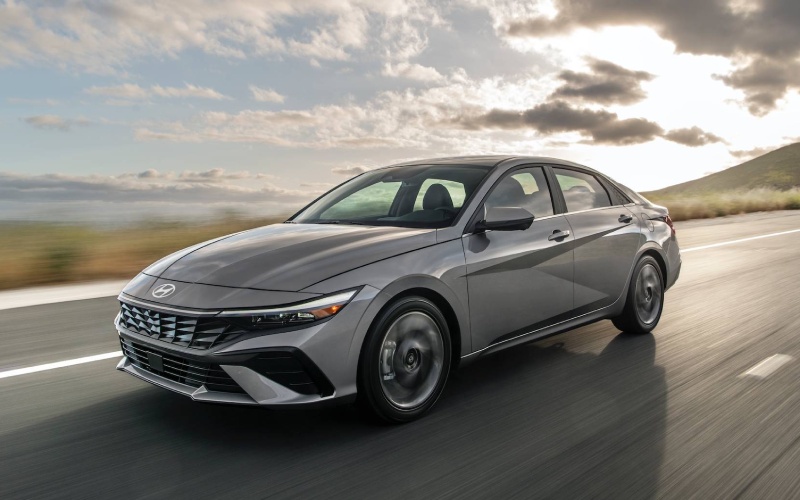
Hyundai of Grand Island – Hyundai HTRAC SUVs vs Subaru for Open-Plains Crosswinds and Gravel Roads near St. Paul, NE
Drivers around St. Paul, NE know the drill — a blue-sky morning can turn into a 30-mph crosswind by lunch, and the paved stretch on US-281 often ends with a few miles of washboard gravel toward the farm or the lake. At Hyundai of Grand Island, we meet shoppers who are cross-shopping Hyundai SUVs with Subaru because both brands emphasize all-weather assurance. In this blog, we focus on a very local question: which brand’s SUV lineup better supports open-plains driving, gusty two-lane commutes, and frequent transitions between pavement and gravel near St. Paul.
We cover traction systems, crosswind steadiness, dust-and-snow sensor performance, daily tech that actually helps in Nebraska weather, and family-friendly usability. The goal is simple — help in-market shoppers decide confidently, with a slight tilt toward what our Hyundai lineup and our team can do for your everyday life north of Grand Island.
Let’s begin with the heart of the matter: how each brand puts power to the ground when the wind is howling across the river flats and the county roads are loose on top.
Hyundai’s HTRAC All Wheel Drive is available across a wide range of SUVs and even select sedans, giving you choices that fit everything from a compact footprint for in-town errand duty to a spacious three-row family hauler. HTRAC uses electronically controlled torque distribution linked with the vehicle’s stability and traction systems to anticipate slip, shift torque proactively, and help keep the vehicle composed over mixed surfaces. Multiple drive modes — including Snow on many models — fine-tune throttle mapping, transmission behavior, and torque split to help you pull away cleanly from a frosty driveway on a January morning in St. Paul.
Subaru’s Symmetrical All-Wheel Drive is a strong, well-known system that comes standard on most of the brand’s SUVs, with a horizontally oriented layout designed for balanced weight distribution. Many Subaru SUVs also offer X-MODE for added low-speed traction management on challenging surfaces. In short, both brands check the core box for all-weather grip. Where Hyundai tends to stand out for our customers near St. Paul is integration — HTRAC drive modes often work hand in glove with features like Downhill Brake Control and Trailer Sway Control, so gravel descents or a small trailer headed toward the campsite feel settled and confident without extra fiddling.
Now let’s talk about the thing you feel every time the wind picks up on US-281: lane steadiness in gusts. Hyundai SmartSense offers Lane Keeping Assist and Lane Following Assist, and many of our SUVs add Highway Driving Assist for supportive steering input and speed management on divided roads. On open two-lanes, the centering support and the way it smooths micro-corrections can help reduce fatigue on longer drives between St. Paul and Grand Island.
Subaru’s EyeSight Driver Assist Technology includes Lane Keep Assist and Adaptive Cruise Control, and it does a good job on open highways. The reason many of our customers prefer Hyundai on blustery days is visibility and feedback — Hyundai’s Blind-Spot View Monitor projects a camera feed onto the digital display when you signal, while Blind-Spot Collision-Avoidance Assist provides gentle steering support. Around slow-moving farm equipment or when you are passing into a crosswind, that extra layer of visual confirmation makes real-world merges feel calmer.
Dust, snow spray, and sensor performance matter on unpaved lanes and during those spring squalls. EyeSight relies primarily on a set of forward-facing cameras, and—as with any camera-based system—visibility can be impacted by a dirty windshield or heavy precipitation. Hyundai SmartSense layers camera and radar, and radar can be less affected by dust or snow plumes than vision alone. Forward Collision-Avoidance Assist and Blind-Spot Collision-Avoidance Assist that incorporate radar can help maintain awareness when visibility fluctuates. No system is magic, and both brands recommend keeping the windshield and front radar area clean, but the mixed-sensor approach in many Hyundai models is a practical advantage when county roads get dusty.
Practical daily usability is where Hyundai pulls away for a lot of local families. Hyundai Digital Key 2 Touch lets you use compatible smartphones to access and start your vehicle — a convenience win when your hands are full at the St. Paul co-op or during sideline pickups at the ball fields. Bluelink+ enables remote start with climate preconditioning, window defogging, and heated seat activation on many models, which is perfect for those sunrise departures in January. Remote Smart Parking Assist on select Hyundai SUVs can even help nudge the vehicle into or out of tight spots — handy at crowded trailheads or narrow garage bays in older homes.
Subaru’s STARLINK remote functions are helpful, and the brand’s DriverFocus Distraction Mitigation System is a clever addition on some trims. For many of our shoppers, however, Hyundai’s cohesive tech — from dual wireless device charging to the available Surround View Monitor for slow-speed maneuvering — simply proves easier to use every single day. Features like Ultrasonic Rear Occupant Alert and Safe Exit Assist show how Hyundai SmartSense is tuned for real family life, not just one-off scenarios.
Cabin space and cargo flexibility also factor into a rural Nebraska schedule. Hyundai’s SUV lineup offers generous second-row legroom and clever storage touches, plus available three-row seating in models like PALISADE and SANTA FE for carpooling to Grand Island or hauling coolers and gear to the Platte. Available Relaxation Seats in PALISADE elevate long stretches on I-80 or the frequent back-and-forth between St. Paul and Grand Island. Subaru’s lineup offers strong cargo versatility as well, particularly in Outback and Forester, with the Ascent covering three-row needs. For shoppers who value upscale materials, quiet cabins, and those little comfort details at road speed, Hyundai tends to deliver a more refined feel across multiple body styles.
For towing and weekend duty, Hyundai SUVs commonly include Trailer Sway Control, and available HTRAC calibrations bring predictable takeoffs on loose boat ramps and gravel turnoffs. Subaru’s solutions are confident, too. Choose the setup that aligns with the camper or utility trailer you plan to use, and remember that tire selection — something our service team is happy to advise on — can be just as important as the badge on the grille when gravel and crosswinds are a constant.
Long-term ownership matters around here. Hyundai’s strong warranty coverage and Hyundai Complimentary Maintenance for 3 years/36,000 miles provide peace of mind from the start, and our factory-trained technicians in Grand Island keep your vehicle performing to specification with Genuine OEM parts. Our non-commission Product Specialists and One Low Price, Plain and Simple, Always approach make your shopping process straightforward, whether you are upgrading from a compact sedan to your first AWD SUV or moving from a two-row to a three-row for family growth.
If you are still weighing which brand suits your life near St. Paul, this quick checklist reflects what we hear from local customers after a few test loops on US-281 and nearby gravel spurs.
- Frequent crosswinds on US-281: Hyundai’s Lane Following Assist and Highway Driving Assist deliver steady centering that reduces small steering corrections in gusts.
- Regular gravel road travel: HTRAC drive modes plus stability tuning help the vehicle feel planted when the surface gets loose or washboarded.
- Need three-row seating with AWD: Multiple Hyundai options provide adult-friendly space and comfort features that make longer drives easier.
- Winter departures before sunrise: Bluelink+ remote start with cabin preconditioning can clear frost and warm seats while you finish that first cup of coffee.
- Parking in tight garages or co-op bays: Surround View Monitor and available Remote Smart Parking Assist simplify low-speed maneuvering.
Of course, the best way to feel the difference is to drive both. Our team can set up a back-to-back route that includes a divided-highway stretch, two-lane cruising, and a short gravel loop so you can experience traction, crosswind stability, and cabin calm the way you will actually use the vehicle near St. Paul.
Frequently Asked Questions:
Does HTRAC All Wheel Drive help in crosswinds, or is it just for traction?
HTRAC primarily manages traction front to rear, but the way Hyundai integrates HTRAC with stability control and steering-assist systems contributes to a settled, confident feel in crosswinds. The lane support features in Hyundai SmartSense help reduce steering corrections, which many drivers perceive as better stability on windy days.
Which Hyundai SUVs offer HTRAC All Wheel Drive?
HTRAC is available across much of the Hyundai SUV lineup, including compact and midsize options and select sedans. Our Product Specialists can show you which trims pair HTRAC with features you value most, like Highway Driving Assist, Surround View Monitor, and heated features for winter commuting.
How does Hyundai SmartSense compare with Subaru EyeSight?
Both suites offer core driver-assistance features like forward-collision warning with automatic braking and lane support. Hyundai SmartSense often layers camera and radar sensing, adds available features like Blind-Spot View Monitor and Remote Smart Parking Assist on select models, and integrates navigation data for Highway Driving Assist on compatible trims. EyeSight is camera-centric and effective; the mixed-sensor approach in many Hyundai models can be advantageous in dust or snow spray.
Do I need to activate Snow mode every time I drive in winter?
Not necessarily. Normal mode works well for most conditions, but Snow mode on many Hyundai SUVs adjusts pedal sensitivity, shift strategy, and torque split for smoother launches on low-traction surfaces. If you expect packed snow, ice at intersections, or unplowed gravel, Snow mode is a smart choice. You can switch modes quickly from the console.
Can Hyundai remote features preheat or precool the vehicle near St. Paul, NE?
Yes. With Bluelink+, many Hyundai vehicles can be started remotely to warm the cabin, heat seats and steering wheel, where equipped, and defog windows. In summer, remote cooling helps knock down cabin temps before you head out across open fields in the afternoon.
In the end, both Hyundai and Subaru build capable, confidence-inspiring SUVs. For everyday life near St. Paul — gusty commutes on US-281, regular gravel miles, and family errands that spill into early mornings and late evenings — our customers tend to prefer the balanced traction feel of HTRAC, the easy-use tech in Hyundai SmartSense, and the everyday conveniences built into the cabin experience. Add Hyundai’s ownership coverage and our service-first approach, and the case becomes clear.
Ready to experience it for yourself? Visit Hyundai of Grand Island at 3312 West Stolley Park Road, Grand Island, NE 68803, or call Sales at 308-318-3282. Our non-commission Product Specialists will set up a route that mirrors your real driving day near St. Paul and help you choose the right vehicle at the right time — with One Low Price, Plain and Simple, Always.
Request more information
Connect with us


Hyundai of Grand Island

Address
3312 West Stolley Park Road
Grand Island, NE 68803
Phone
- Sales 308-318-3282308-318-3606
- Service 308-318-3848
- Parts 308-318-4342
| Monday | 8:00AM - 7:00PM |
| Tuesday | 8:00AM - 7:00PM |
| Wednesday | 8:00AM - 7:00PM |
| Thursday | 8:00AM - 7:00PM |
| Friday | 8:00AM - 7:00PM |
| Saturday | 8:00AM - 6:00PM |
| Sunday | Closed |
| Monday | 7:30AM - 6:00PM |
| Tuesday | 7:30AM - 6:00PM |
| Wednesday | 7:30AM - 6:00PM |
| Thursday | 7:30AM - 6:00PM |
| Friday | 7:30AM - 6:00PM |
| Saturday | Closed |
| Sunday | Closed |
| Monday | 8:00AM - 5:00PM |
| Tuesday | 8:00AM - 5:00PM |
| Wednesday | 8:00AM - 5:00PM |
| Thursday | 8:00AM - 5:00PM |
| Friday | 8:00AM - 5:00PM |
| Saturday | Closed |
| Sunday | Closed |